
The Ultimate Guide to Launching a Virtual Restaurant
Understanding Delivery Only Restaurants and How They Work
Delivery only restaurants (often called virtual, ghost, or cloud kitchens) are professional food businesses that prepare meals exclusively for off-premise dining. Instead of serving guests in a traditional dining room with waitstaff, these operations accept orders through digital channels and deliver food directly to customers.
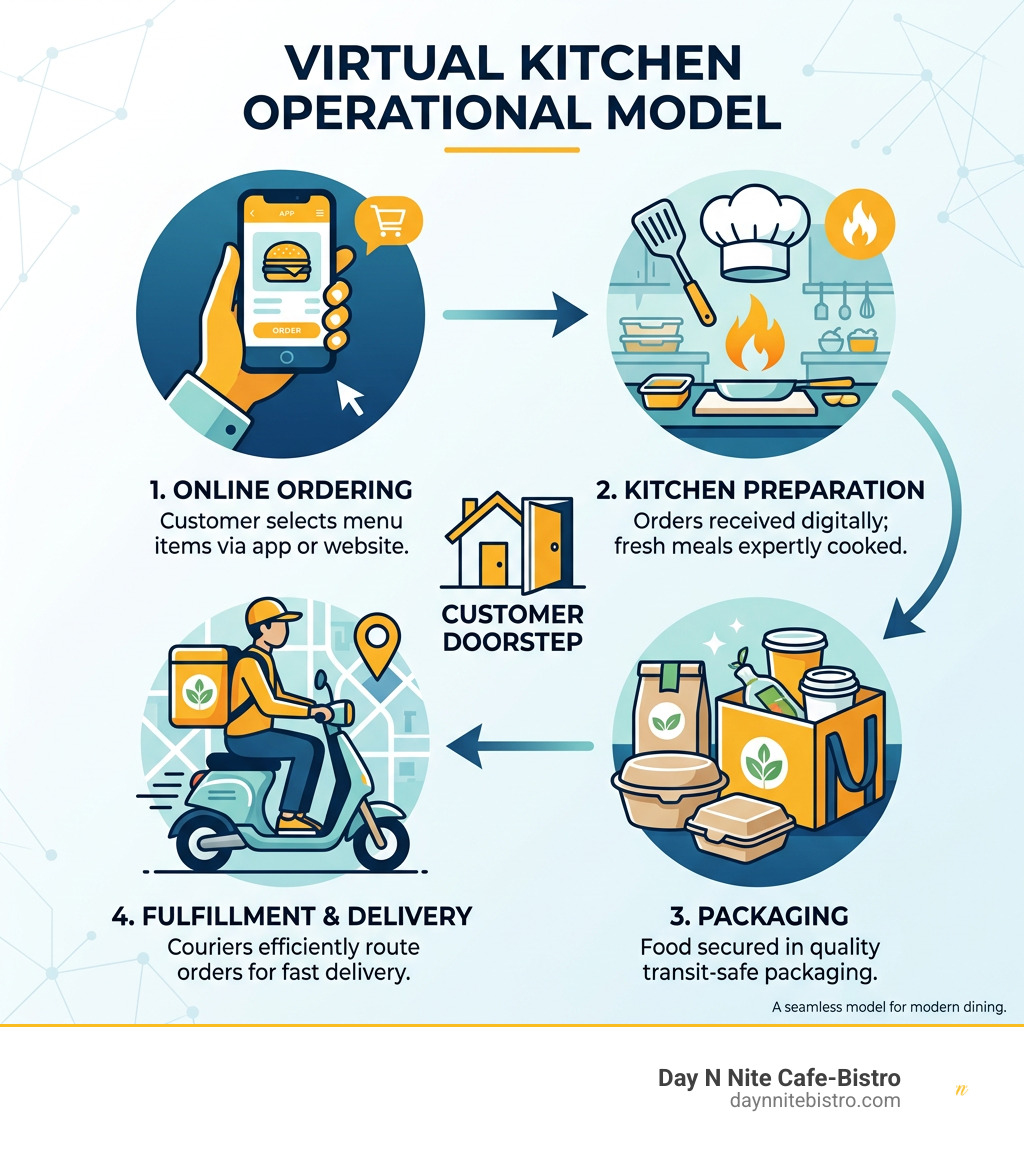
To explore or launch a virtual kitchen concept, operators follow five practical steps:
Menu Engineering: Focus on compact menus with dishes that travel well and maintain heat during transit.
Kitchen Setup: Lease a licensed commercial kitchen or use existing kitchen capacity during off-peak hours.
Legal Compliance: Secure standard food handler certifications, health permits, and business licenses.
Digital Integration: Connect an online ordering platform directly to your point-of-sale and kitchen display systems.
Fulfillment: Route orders through reliable local delivery couriers or established delivery platforms.
When a busy morning leaves little time to cook, finding a fresh, hearty breakfast or a quick brunch can feel challenging. In Heber City, Utah, Day N Nite Cafe-Bistro serves fresh New American breakfast, brunch, and lunch specialties designed for modern dining habits. By pairing quality kitchen craft with streamlined digital ordering, our kitchen brings flavorful, scratch-made comfort right to your door.
Understanding the Rise of Delivery Only Restaurants
The global landscape of dining has changed dramatically over recent years. Driven by digital convenience, the delivery-only restaurant industry is projected to exceed $177 billion by 2032. Approximately 75 percent of food delivery customers place last-minute meal orders, seeking fast, dependable meals without the wait or preparation time.
For operators, the appeal lies in operational agility and financial efficiency. Traditional brick-and-mortar dining concepts often operate on narrow profit margins between 3 and 5 percent due to steep commercial leases, front-of-house payroll, interior decor upkeep, and utility expenses. In contrast, virtual kitchens strip away the dining room entirely to focus solely on kitchen production.
At Day N Nite Cafe-Bistro, located at 454 N Main Street in Heber City, UT, we understand that community members value fresh, high-quality ingredients whether they dine at a table or enjoy lunch at home. Serving breakfast, brunch, and lunch favorites crafted from seasonal ingredients, we have seen how convenient off-premise ordering allows local diners to enjoy wholesome New American dishes on their own schedules.
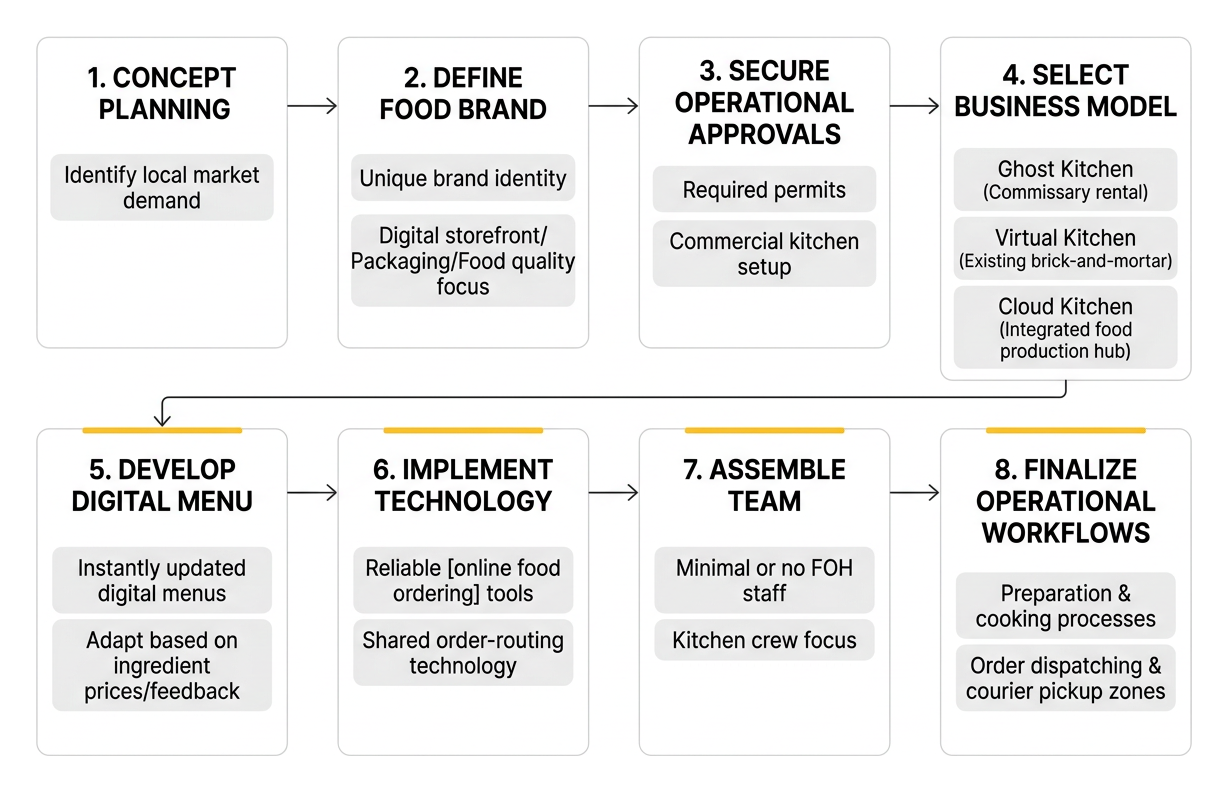
Feature | Traditional Brick-and-Mortar | Delivery-Only / Virtual Restaurant |
|---|---|---|
Dining Area | Full dining room with tables and seating | None; orders fulfilled off-premise |
Front-of-House Staff | Hosts, servers, bussers, and bartenders | Minimal or none; focus on kitchen crew |
Real Estate Footprint | Large footprint in prime retail zones | Compact commercial kitchen or shared facility |
Menu Adaptability | Printed menus, slower to adjust | Digital menus updated instantly |
Startup Capital | Substantial build-out and decor costs | Significantly lower initial capital requirements |
Customer Touchpoint | In-person service and physical ambiance | Digital storefronts, packaging, and food quality |
How Delivery Only Restaurants Differ from Traditional Dining
The core difference between traditional restaurants and off-premise concepts centers on space utilization. Traditional establishments must lease prime real estate with ample parking, attractive architecture, and high foot traffic. These requirements carry premium square footage costs.
Virtual models bypass the need for an expensive street-facing presence. Because there is no public dining room, every square foot is dedicated to cold storage, food preparation, cooking equipment, and order dispatching. This setup dramatically lowers ongoing labor overhead by eliminating host and server positions.
Menu flexibility is another distinct advantage. Digital menus allow operators to adapt rapidly to changing ingredient prices or consumer preferences without reprinting physical copies. Whether customers are looking for a savory breakfast hash or a convenient takeout service, off-premise kitchens can fine-tune offerings based on real-time feedback and seasonal ingredient availability.
Key Business Models: Ghost, Virtual, and Cloud Kitchens
While the industry often groups off-premise dining under the broad umbrella of delivery-only restaurants, several operational formats exist:
Ghost kitchens: Independent commercial cooking spaces rented within a larger commissary facility. Multiple distinct brands often share utilities, dry storage, and dishwashing stations under one roof.
Virtual Kitchens (Hybrid Operations): Established brick-and-mortar restaurants that utilize their existing kitchen space to produce an additional, delivery-only menu line. This maximizes kitchen equipment and staff capacity during regular shifts.
Cloud Kitchens: Fully integrated food production hubs specifically built to support several digital brands at scale, complete with shared order-routing technology and designated courier pickup zones.
For existing operators in Heber City, expanding into virtual concepts offers a practical way to test new flavor combinations and reach more diners without taking on the financial risk of a new physical location.
Essential Steps to Launch a Virtual Brand
Launching a virtual food concept requires careful preparation, clear brand identity, and solid operational workflows. With roughly 90 percent of consumers researching food options online before placing an order, building an efficient operation supported by reliable online food ordering tools is essential from day one.
Concept Planning, Permits, and Commercial Kitchen Setup
Every successful food business begins by identifying a clear demand in the local market. Operators should pinpoint underserved dining preferences, such as wholesome breakfast bowls, artisan sandwiches, or elevated brunch selections.
After defining your concept, securing the necessary operational approvals is critical:
Business Registration: Register your business structure locally and state-wide in Utah.
Health Permits: Obtain standard health department approvals and schedule kitchen inspections to confirm sanitation compliance.
Food Safety Certifications: Ensure management and cooking staff hold active food handler and manager certifications.
Facility Sourcing: Lease space in a licensed commercial commissary kitchen, or arrange shared space within an existing commercial kitchen that meets all sanitation codes.
Adhering strictly to local health guidelines in Heber City, UT ensures that food preparation remains safe, sanitary, and consistent for every customer.
Designing Menus and Sourcing Equipment for Delivery Only Restaurants
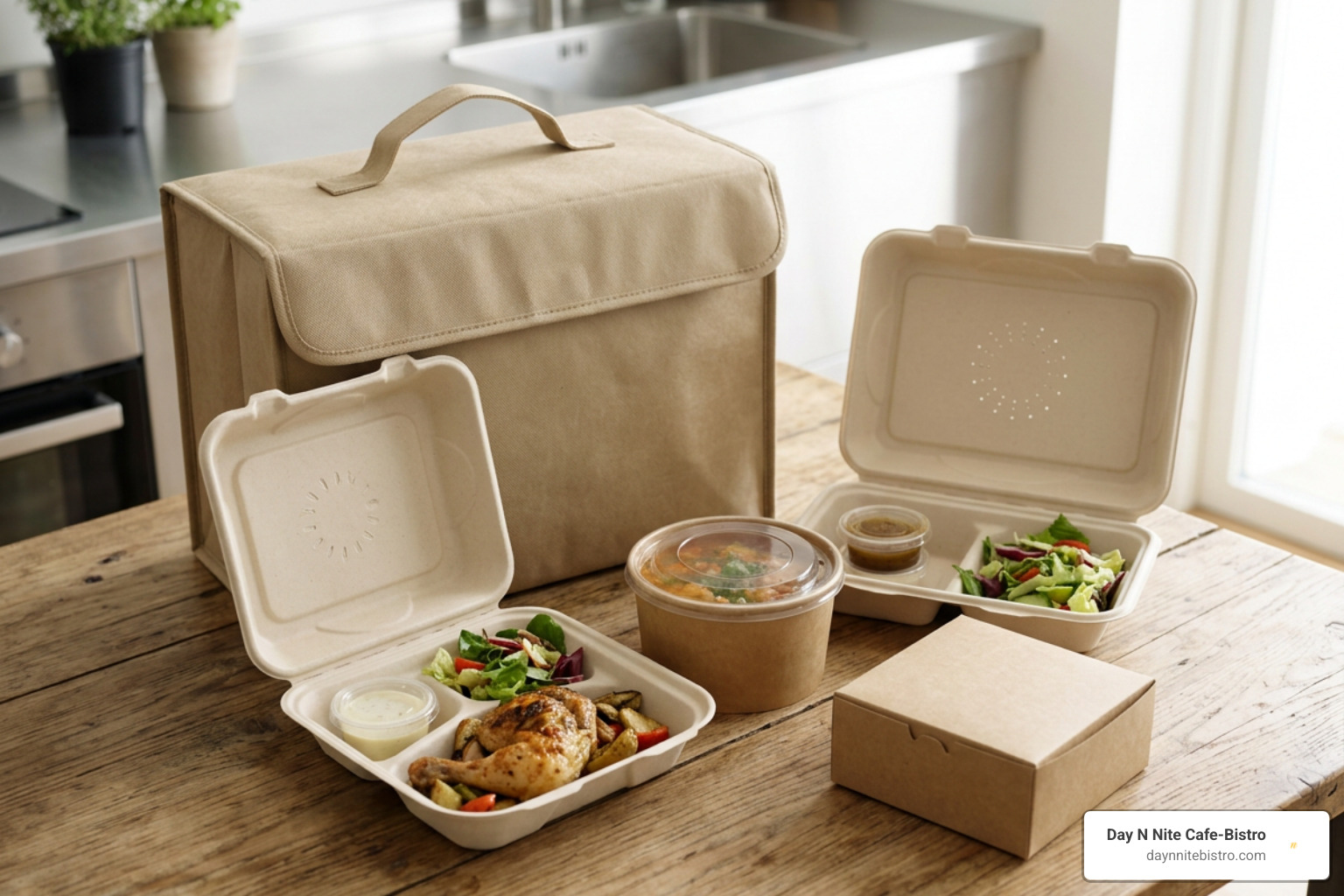
Engineering a menu for off-premise dining requires prioritizing items that maintain their texture, temperature, and presentation over a 15 to 30-minute delivery drive. Fresh breakfast items such as warm wraps, hearty scrambles, and stacked sandwiches travel exceptionally well when paired with thoughtful packaging.
To maintain culinary integrity:
Separate Wet and Dry Ingredients: Keep sauces, dressings, and crisp components packed separately to prevent sogginess.
Use Vented Containers: Steam accumulation can soften crisp coatings. Vented, eco-friendly containers allow moisture to escape while trapping core heat.
Streamline Ingredients: Design recipes around versatile, seasonal ingredients to control food waste and keep preparation fast.
Integrating your kitchen display system directly with an online takeaway ordering service ensures order tickets flow smoothly to the kitchen line without manual entry errors.
Marketing Strategies and Customer Retention for Virtual Kitchens
Without an inviting storefront sign to catch the eye of passersby on Main Street, virtual kitchens rely on strong digital marketing. Your online storefront, website photography, and local search presence serve as your front door.

Investing in crisp, bright menu photography is one of the most effective ways to drive conversions. Industry data shows that menus featuring clear, high-quality images can experience up to a 44 percent boost in monthly orders. Visuals highlighting fresh herbs, melted cheese, and toasted artisan bread help customers picture their meal before ordering.
Third-Party Delivery Platforms vs. Direct Online Ordering
Balancing third-party delivery marketplaces with a direct digital storefront helps build a healthy, sustainable business. While third-party apps provide built-in visibility to broad local audiences, they also charge substantial commission fees.
A balanced ordering strategy includes:
Marketplace Discovery: Using third-party apps to introduce new customers in Heber City to your menu.
Direct Website Conversion: Encouraging regular patrons to place orders directly through your own website to save on fees.
Optimized Delivery Radii: Setting delivery zones that ensure food reaches doorsteps hot and fresh.
For diners seeking the most seamless dining experience at home, exploring our best takeout and delivery guide offers helpful tips on scheduling meals for peak freshness.
Building Brand Loyalty and Managing Customer Experience
Acquiring a new customer can cost significantly more than keeping an existing one. Building lasting loyalty requires consistent food quality, prompt service, and thoughtful customer interactions.
Digital Loyalty Programs: Reward repeat orders with points or small discounts on future meals.
Targeted Updates: Keep diners informed about seasonal menu features or limited-time brunch specials.
Branded Packaging Touches: Use clean, professional packaging with custom stickers or thank-you notes that reinforce your brand values.
Active Feedback Management: Review customer remarks regularly to identify opportunities to improve packaging or prep times.
At Day N Nite Cafe-Bistro, our commitment to hospitality extends beyond the kitchen doors. Whether local families choose pickup or look for trusted breakfast delivery restaurants near me, we ensure every breakfast plate and brunch order arrives fresh, warm, and ready to enjoy.
Frequently Asked Questions About Virtual Kitchens
What are the primary startup costs for a virtual restaurant?
Virtual operations require substantially less initial capital than traditional restaurants. Primary expenses include commercial kitchen leasing or hourly rental fees, cooking equipment, professional packaging inventory, initial food stock, business licensing, and digital marketing.
How do delivery-only operations maintain food quality during transport?
Maintaining quality relies on temperature-controlled transit bags, sturdy packaging, and smart menu design. Using vented containers for crisp items and insulated containers for warm dishes ensures food retains its texture and heat during transit across Heber City.
Can existing restaurants run a virtual brand from their kitchen?
Yes. Operating a virtual concept out of an existing commercial kitchen is an effective way to optimize staff hours, use surplus kitchen equipment, and generate incremental revenue during slower mid-week shifts.
Fresh Dining and Convenient Ordering with Day N Nite Cafe-Bistro
The rise of virtual and delivery-focused kitchens reflects a broader shift toward convenience, flexibility, and quality food tailored for modern routines. As digital ordering continues to evolve, the foundation of any great meal remains the same: fresh ingredients, careful preparation, and genuine care for the customer experience.
At Day N Nite Cafe-Bistro in Heber City, Utah, we take pride in serving wholesome New American breakfast, brunch, and lunch classics made from fresh, seasonal ingredients. Whether you need a flavorful morning wrap before heading out or a relaxed lunch brought straight to your home or office, our kitchen is here to serve you. We invite you to see menu order online today to experience our scratch-made specialties delivered fresh to your door in Heber City.

